
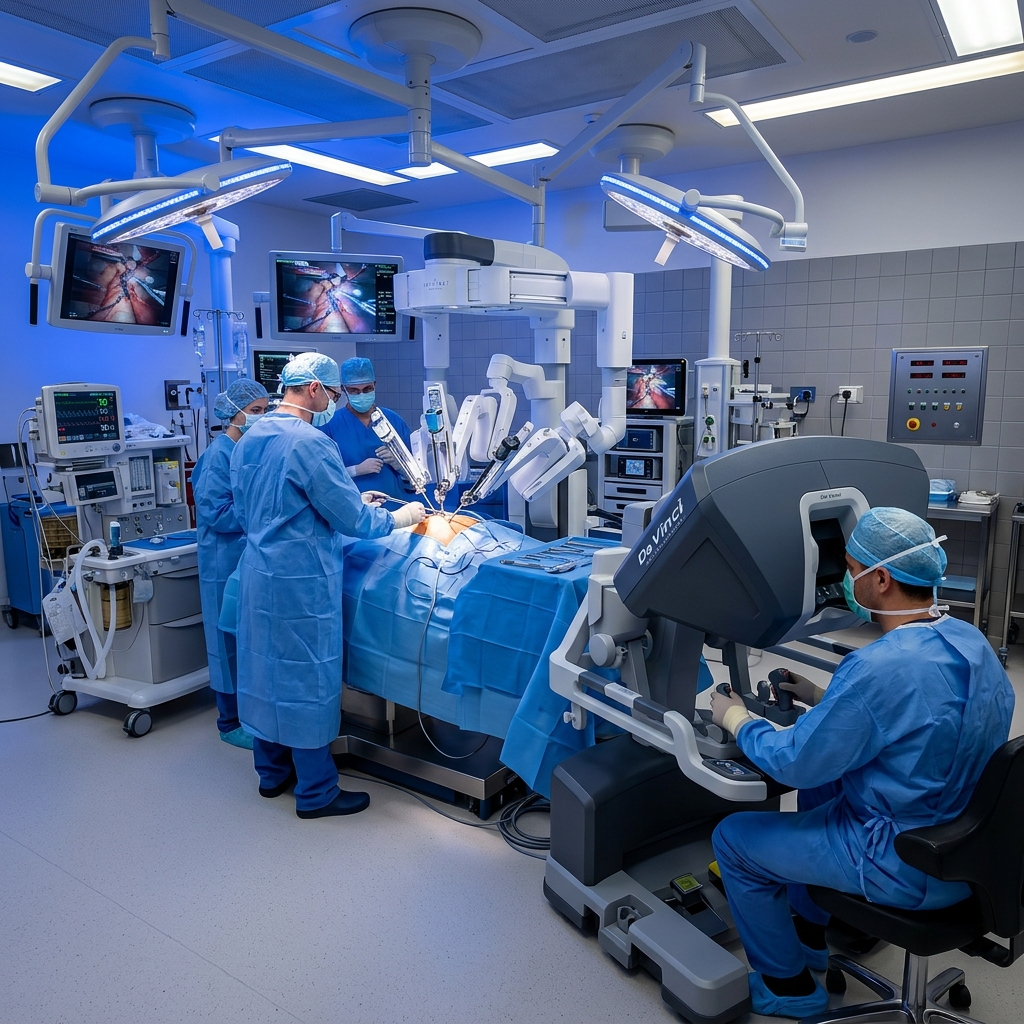
Robotic surgery represents the pinnacle of modern minimally invasive surgical technology. Utilizing state-of-the-art robotic systems (such as the da Vinci Surgical System), Dr. E. Vimalakar Reddy and Team Vimalakar deliver unparalleled surgical precision, dexterity, and control for complex gastrointestinal, hepatobiliary, colorectal, and bariatric conditions.
Unlike open surgery or conventional laparoscopy, robotic-assisted surgery translates the surgeon's natural hand, wrist, and finger movements at an ergonomic console into micro-movements of specialized articulating instruments inside the patient's body with tremor filtration and high-definition 3D visualization magnified up to 10 times.
Key Advantages of Robotic Surgery
- Sub-Millimeter Precision: Enhanced wristed instruments with 7 degrees of freedom allowing movement beyond the human hand's range.
- Significantly Less Pain: Smaller, precise keyhole incisions that cause minimal disruption to surrounding tissue and abdominal muscles.
- Minimal Blood Loss: Microscopic visualization preserves delicate blood vessels, dramatically reducing intraoperative bleeding and transfusion risks.
- Faster Healing & Discharge: Patients often stand and walk within 12–24 hours, returning home significantly sooner than with open surgery.
- Superior Cosmetic Results: Tiny puncture marks heal rapidly with minimal scarring.
Major Robotic Procedures Performed by Team Vimalakar
Team Vimalakar has successfully established a high-volume robotic surgery program in Hyderabad, treating a vast variety of complex gastrointestinal and oncological cases with outstanding patient outcomes:
- Robotic Whipple's Procedure (Pancreaticoduodenectomy): A complex resection for tumors located in the head of the pancreas, duodenum, or bile duct. The robotic approach offers supreme micro-vascular reconstruction and lymph node dissection with reduced complication rates.
- Robotic Central & Major Hepatectomy (Liver Resection): Precise excision of benign or malignant liver tumors while preserving vital hepatic parenchyma and vascular structures.
- Robotic Colorectal Surgery (Anterior Resection, Hemicolectomy & Rectopexy): Optimal visualization within the narrow confines of the pelvis, enabling accurate tumor clearance while safeguarding crucial pelvic autonomic nerves responsible for urinary and sexual function.
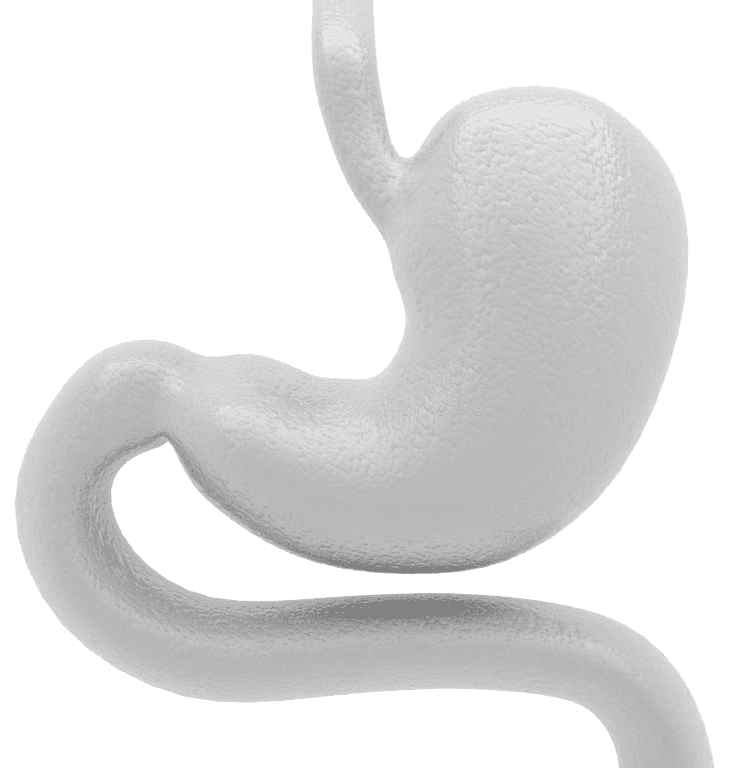
- Robotic Bariatric Surgery (Mini Gastric Bypass & Sleeve Gastrectomy): Advanced metabolic surgical options for morbid obesity that promote sustained weight reduction and remission of diabetes and hypertension.
- Robotic Gastrectomy & Fundoplication: Minimally invasive management for gastric cancer and severe, refractory Gastroesophageal Reflux Disease (GERD) or massive hiatal hernias.
- Robotic Advanced Abdominal Wall Hernia Repairs (eTEP & TAPP): Enhanced-view totally extraperitoneal (eTEP) and transabdominal preperitoneal (TAPP) techniques for large, complex incisional and recurrent ventral hernias.
- Robotic Cholecystectomy & Bile Duct Reconstructions: Exceptionally safe gallbladder excision for complicated gallstone disease, acute cholecystitis, and biliary tract reconstruction.
How Does Robotic-Assisted Surgery Work?
It is important to understand that the robot does not perform the surgery autonomously. Every surgical maneuver is performed directly by Dr. E. Vimalakar Reddy in real time from the master console:
- The Surgeon Console: The surgeon sits comfortably at an ergonomic console, viewing a high-definition 3D stereo image of the surgical field magnified up to 10x.
- The Patient Cart: Positioned alongside the operating table, mechanical arms hold the camera and miniature wristed instruments, precisely mimicking every touch and turn of the surgeon's fingers.
- EndoWrist Technology: Instruments can articulate and rotate with 7 degrees of freedom, enabling precise suturing and dissection even in the deepest, most restricted anatomical spaces.
Frequently Asked Questions About Robotic Surgery
Q: Does the robot make decisions or move on its own?
A: No. The robotic system cannot think, decide, or move independently. It acts purely as a high-precision extension of the surgeon's hands and eyes, following every command with extreme fidelity.
Q: How long does recovery take after robotic GI surgery?
A: Because tissue trauma and incision sizes are significantly smaller, most patients are walking within 24 hours, discharged within 1 to 3 days, and able to resume routine daily activities in about a week.
Q: Is robotic surgery covered by health insurance?
A: Yes, insurance companies and third-party administrators (TPAs) increasingly recognize and cover robotic-assisted minimally invasive surgeries across leading hospitals in Hyderabad.
Consult with Dr. E. Vimalakar Reddy, Senior Consultant & HOD Surgical Gastroenterologist, for cutting-edge robotic gastrointestinal care and treatments in Hyderabad.